


Key Takeaways
New York evictions move through formal notice, court, judgment, and warrant stages.
The proper notice depends on the reason the tenancy is ending.
Tenant defenses can delay or defeat a case when service, paperwork, habitability, or retaliation issues are involved.
Landlords must avoid self-help tactics and use the court process instead.
Removing a tenant in New York requires strict notice and court procedures. Because tenants receive strong procedural protections, a case can be delayed or dismissed when paperwork, service, or timing is wrong. Landlords should begin with clear records, the correct notice, and careful compliance before filing in court.
This blog from Real Capital Property Group helps landlords understand the main steps for recovering possession of a New York rental property while protecting rental income and reducing avoidable disputes.
Want to Know More?
Notice for Lease Termination with Legal Cause
New York landlords may have grounds to remove a tenant for reasons such as:
Late or unpaid rent.
A violation of the lease terms.
Illegal conduct at the rental property.
Staying in the rental after the lease ends or after permission to remain has been withdrawn.
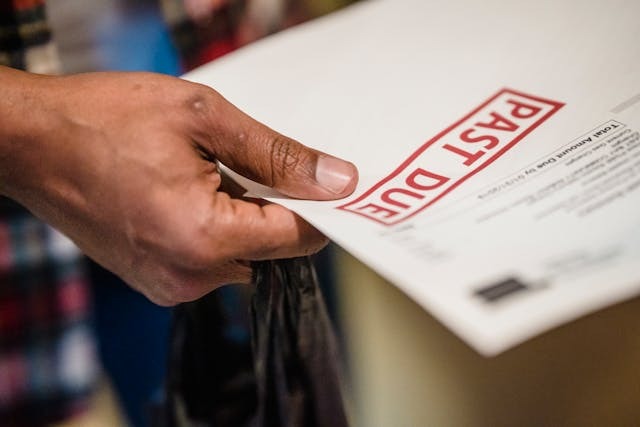
The notice required depends on why the tenancy is ending. Common New York notices include:
14-Day Rent Demand: Used for unpaid rent. The tenant has 14 days to pay before the landlord can move forward with a nonpayment case.
10-Day Notice to Cure: Used for lease violations. The tenant has 10 days to correct the issue. If the issue continues, the landlord generally follows with a Notice of Termination.
Notice of Termination: Used to end certain tenancies or proceed after a tenant fails to cure a lease violation.
Even when a landlord has legal grounds to pursue removal, the decision must still comply with the New York Fair Housing Act and other housing discrimination protections.
Serving a Tenant with an Eviction Notice in New York
When there is no specific tenant misconduct, the notice period depends on how long the tenant has lived in the unit. For month-to-month tenancies or rentals without a fixed end date, New York generally requires 30, 60, or 90 days of notice. Tenants in place for less than one year usually receive 30 days, one to two years generally receive 60 days, and more than two years generally require 90 days.
For a fixed-term lease, the landlord usually must wait for the lease to end unless there is legal cause to terminate earlier. Any nonrenewal notice should clearly state that the tenancy will not continue.
Tenant Eviction Defenses in New York
A defense is the tenant’s argument for why the landlord should not receive a judgment. Common defenses include:
The landlord tried to force the tenant out without a court order, such as by changing locks or shutting off services.
The case was filed after the tenant complained about repairs, code issues, or living conditions.
The landlord did not properly serve the notice, petition, or other required court papers.
The apartment has serious health or safety problems the landlord did not address.
Attending Court Hearing
After the case is filed, both parties are expected to appear in housing court. If the tenant loses a nonpayment case, they may still be able to pay the rent owed, plus required costs, before removal occurs. The timing depends on the court order and case type.

If payment, settlement, or dismissal does not resolve the case, the court may allow the eviction to proceed. A tenant who wins keeps possession. A tenant who ignores the summons risks losing by default.
Warrant of Eviction
When a landlord receives a judgment and the tenant still does not leave, the next step is a Warrant of Eviction. The warrant must be issued by the court and signed by a judge before physical removal can occur.
Depending on the location, enforcement may be handled by a Sheriff or Marshal. Scheduling varies, so landlords may need to coordinate with the officer’s availability.
The Eviction
After the Warrant of Eviction is issued, the Sheriff or Marshal serves a final 14-day notice. If the tenant stays past that deadline, the officer can enforce the warrant, restore possession, and oversee removal from the premises. Once possession is returned, the landlord should change the locks.
Landlords should also be careful with belongings left behind. New York does not set one simple statewide storage deadline, so landlords are generally encouraged to act reasonably and avoid damaging abandoned property. Landlords should also keep clear records of the unit’s condition after possession is restored, especially if unpaid rent, damage, or cleaning costs may affect the tenant’s security deposit.
Bottom Line
Evicting a tenant in New York starts with the proper notice, continues through housing court, and ends only after a judge authorizes a Warrant of Eviction and the appropriate officer enforces it.
Professional property managers can help landlords manage tenant communications, compliant lease enforcement, and difficult rental situations. Our team handles day-to-day property management so owners can stay focused on long-term investment performance. Contact us today to learn how our services can help protect your rental business.
Disclaimer: Please note that the information provided in this blog is intended for general guidance and should not be considered as a replacement for professional legal advice. It is important to be aware that laws pertaining to property management may change, rendering this information outdated by the time you read it.
Ready to Get Started?